
Forest Flash: September 2026
In Pacific Forest Trust’s e-newsletter, Forest Flash, we send you the most recent PFT news and updates on forests, clean water, climate, and wildlife. Subscribe here.
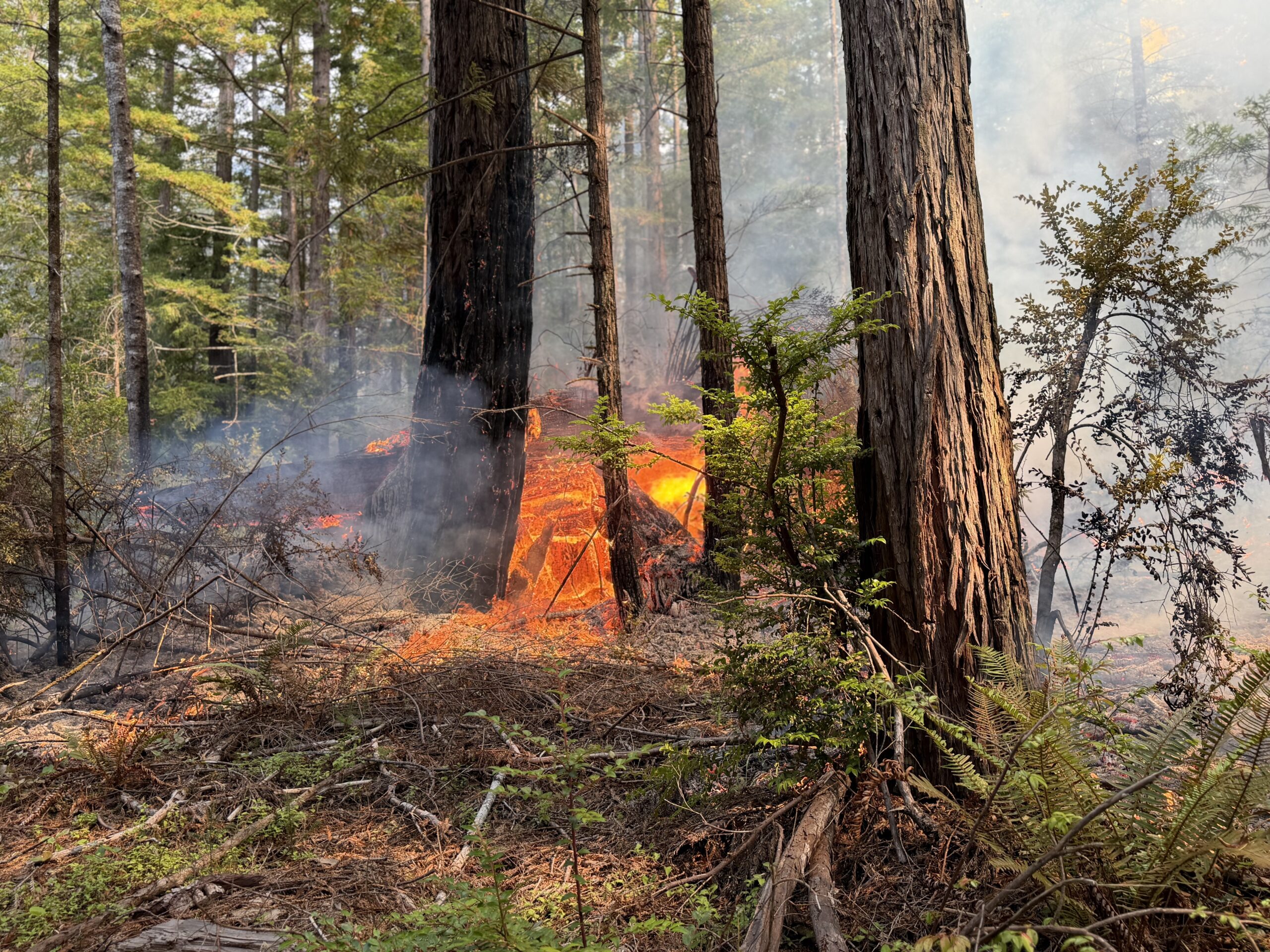
PFT has long been preparing to bring beneficial fire back to its managed redwood forests. Thanks to a generous grant from the Wildlife Conservation Board and prior support from the California Coastal Conservancy, we just had our first, and highly successful burn there this month.
Fire is a natural part of the redwood ecosystem. Some have called redwoods the “frequent fire temperate rainforest” given the natural cycle of fire occurrence on a roughly decadal basis. Those fires helped nourish the soil, control pests and diseases, and were fundamental to the shape and composition of the redwood forest. But, fire has been excluded from these forests, especially in commercially managed forests. As a result, there is both a fuel build up and a change in the composition of these forests, with more spruce and fir components, and the creeping presence of various invasives, such as English Holly and various brooms. As with our managed forests in pine dominated conifer, restoring fire to these forests is a key goal to restore both ecological resilience and increase community safety.
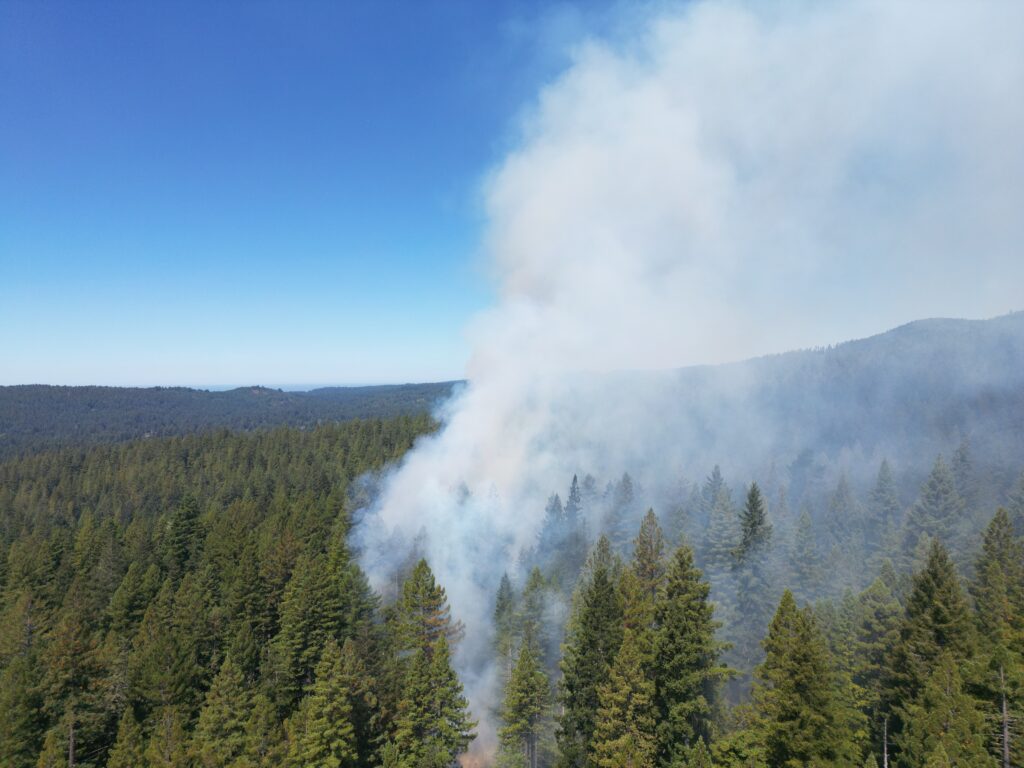 A lot of elements had to align at the same time to make the burn possible. With the community of Fieldbrook directly adjacent to these lands, we did significant community outreach, starting three years ago and updating it through to this year. Smoke impacts are a key concern, in addition to ensuring the fire stays where we want it. As our burn boss, Scot Steinbring of Torchbearr, said, “Burning in the redwoods is tricky because you need it to be dry enough to carry fire. You also want a low intensity broadcast burn that consumes ground fuels on the forest floor but does not smoke out the town or damage trees.”
The project is designed to increase the resilience of the permanently conserved, working redwood forests of Fieldbrook Valley, restore fire-adapted trees, enhance wildlife habitat, and improve community protection from extreme wildfire.
“Low intensity fire is a natural part of the redwood forest, bringing many benefits, from helping control disease to replenishing many soil nutrients. But it has been suppressed in privately owned redwood forests for many decades. This has created a major fuels build up which poses dangers for both the forest and surrounding communities. Our goal is to restore a safer fire regime and a healthier forest,” said PFT President Laurie Wayburn.
We’re very pleased with the burn effects, with a successful underburn and some desirable scorch on younger Douglas-fir. Smoke rose and dispersed as planned, and additional control crews were on standby but were not needed.
The burn is a great example of how working forests can be managed to safely bring back good fire—and the many benefits it provides for forests, wildlife, and surrounding communities. Thanks to the local fire department, the Fieldbrook community, and Tribes who helped make this happen safely and effectively!
If you’d like to help us continue supporting forest health, advancing climate solutions, protecting watersheds, and keeping rural communities and economies safe and vibrant, please click below to support PFT!
The Good Fire Act -AB 1699, authored by Assemblymember Chris Rogers and sponsored by PFT, was signed by the Governor September 29 as part of a suite of bills improving fire response and management in the state. This bill, passed as an urgency measure, takes effect immediately and makes it easier, cheaper, and safer to put good fire back on the landscape. It builds on more than a decade of PFT’s state policy work and responds directly to the bottlenecks practitioners have been flagging for years. Another key bill which was signed was Senator Stern’s SB1370, which requires the development of a Certified Regulatory Program to expedite fuels management on non-timber properties, complementing the Forest Practice Act for timber properties.
Pacific Forest Trust spent months in conversation with burners, cultural fire practitioners, land managers, agency staff, academics, regulators, and attorneys to identify barriers to scaling up beneficial fire across the state. Key partners in this endeavor include the Karuk Tribe, the UC ANR Fire Network, the Indigenous Stewardship Network. Careful planning and consultation, and the support of more than 100 groups from around the state, enabled the bill to pass the Legislature without a single opposing vote.
The Good Fire Act fixes six specific bottlenecks that fire practitioners have faced. The bill:
- Makes the Prescribed Fire Claims Fund permanent by eliminating the January 1, 2028 sunset, and opens it to all projects on all lands other than those led by CAL FIRE or the federal government. It clarifies that burn bosses can now review and submit burn plans to the claims fund themselves rather than needing separate CAL FIRE approval.
- Addresses burn boss certification bottlenecks. Recertification will move from one year to three years, and practitioners who already hold equivalent credentials, whether from CAL FIRE, National Wildfire Coordinating Group (NWCG), or another state, can now count them toward CA certification instead of starting all over again from scratch.
- Streamlines burn permitting. CAL FIRE can now waive the mandatory site visit for burns led by state-certified or NWCG burn bosses or cultural fire practitioners.
- Allows overtime pay to be drawn from state beneficial fire grants when it is necessary for project implementation.
- Clears a CEQA hurdle so CAL FIRE can assist community-led beneficial fire projects without triggering its own compliance obligations.
- Updates the Forest Health Grant Program to align reporting requirements and reduce paperwork for advanced payments.
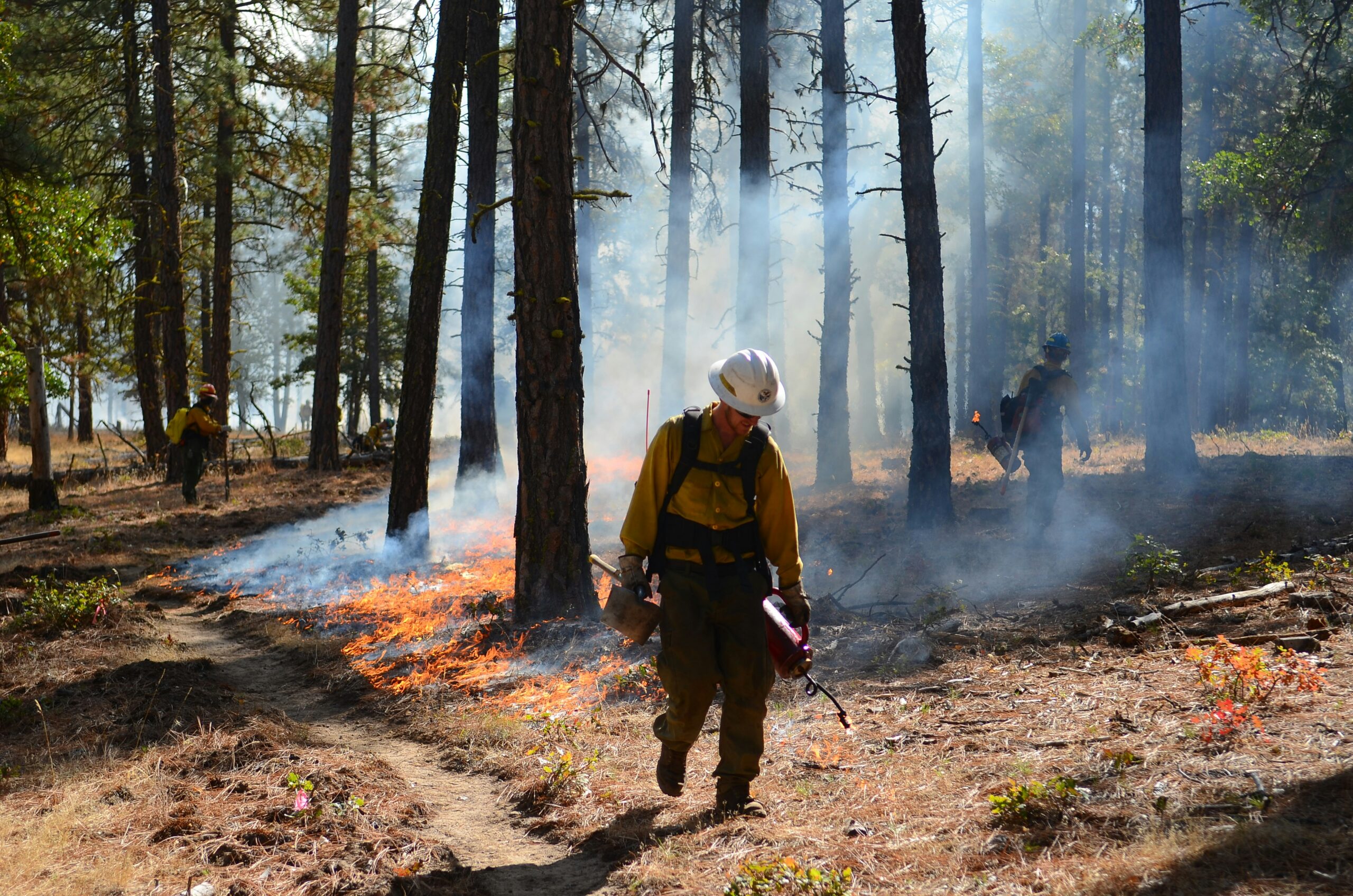 “The Good Fire Act will make California safer and healthier by helping more planned fire happen under conditions where we get beneficial outcomes. Fire is natural and inevitable: doing more planned and prescribed fire lets us take proactive measures to reduce risk, rather than simply waiting for the eventual uncontrollable fire.”, said Paul Mason, who led the effort for PFT.
Thanks to all who helped make this bill happen and help get more good fire back on the ground!
For a more comprehensive overview of the bill click here.
For many of us, one of the greatest loves within our lifetimes is for land. And while we know that we have a limited time on this earth, our lands persist and will need care beyond our lives. Placing a permanent conservation easement on these lands is leaving a legacy for both people and the land, allowing landowners to protect the places they love and ensuring that their families’ care for the land continues.
Longtime Pacific Forest Trust partners Jud Parsons and Sam Dakin felt that love of their land and understood that kind of long-term thinking. They both chose to entrust Pacific Forest Trust with honoring that conservation commitment. While we are sad to report they have both recently died, they both had the peace of knowing that their wishes for their forestlands would be honored and upheld by PFT.
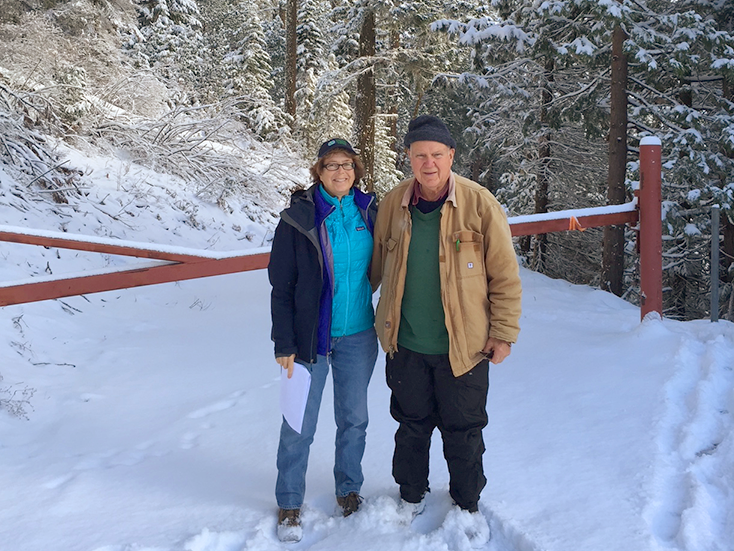 Jud Parsons was a pioneer in natural forest management and managed his family’s Mountcrest Working Forest in southern Oregon for more than 60 years. At the heart of one of the most biodiverse places on the planet, Mountcrest also provides an essential connection for wildlife moving between the Cascade-Siskiyou National Monument and the Rogue River National Forest.
“I’ve fallen in love with the property and want to see its many significant natural qualities protected, yet remain a working forest and in our ownership,” Jud said when its conservation was completed.
Jud and his family worked with PFT to protect nearly 1,800 acres of Mountcrest with a working forest conservation easement and then worked with PFT again to conserve another 553 acres of adjacent forestland, Mountcrest East. Conservation meant finding a way for thoughtful stewardship of the land for wood, water, and wildlife to continue through a working forest conservation easement with PFT.
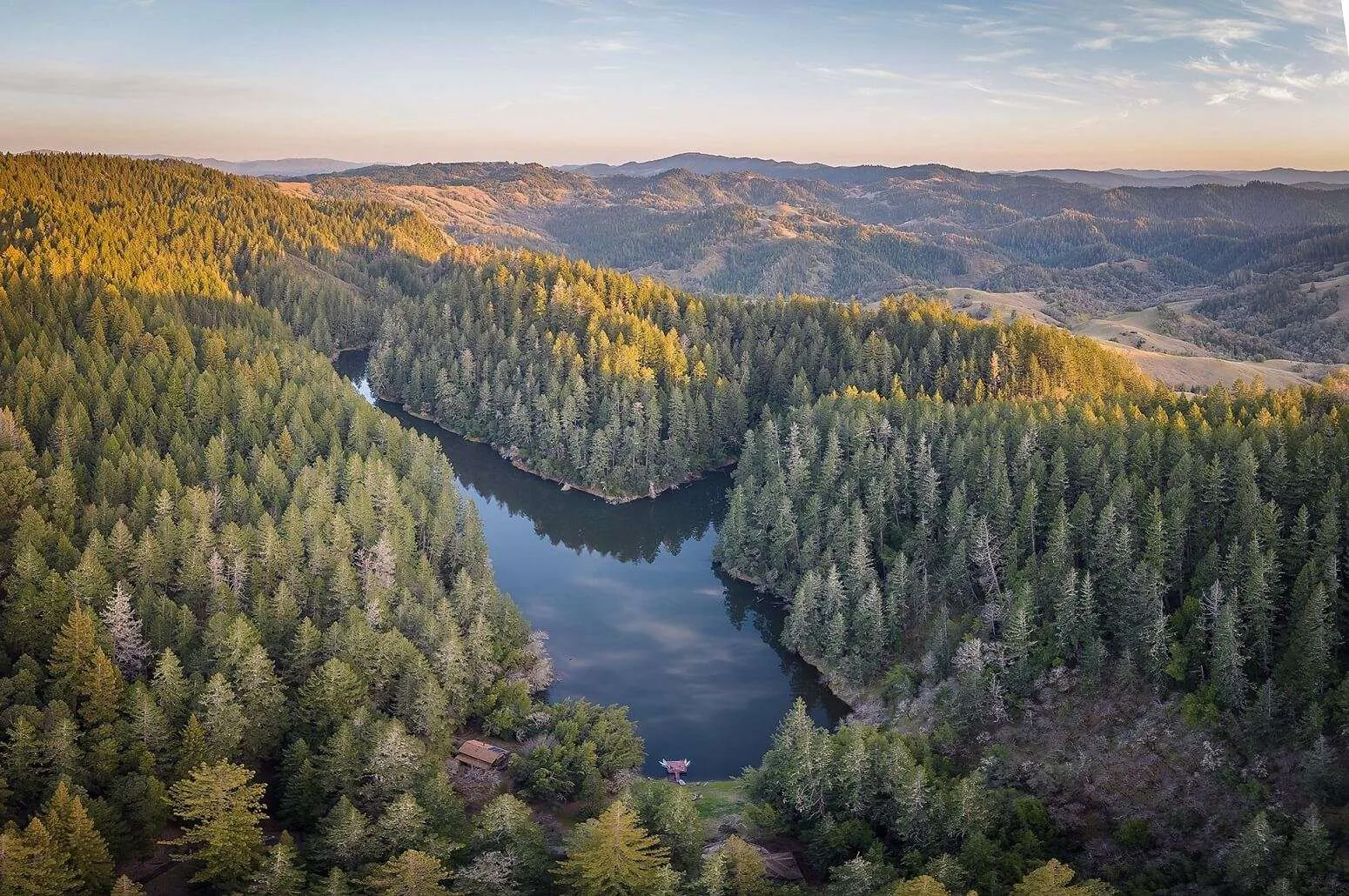
Sam Dakin brought that same long view to his family’s Leonard Lake Reserve in Mendocino County, California, a childhood retreat that instilled in his family a love for the magnificent redwoods, meadows, and wildlife. The property took on even deeper meaning after a plane crash took the lives of Sam’s parents, siblings, and grandparents. Through the decades, the land was managed in honor of their memory.
Over time, Sam also helped expand the protected landscape to approximately 4,000 acres and worked to ensure that it would remain well managed and conserved into the future. He also spent considerable time learning how Native people had cared for and managed the landscape long before his family arrived, bringing that understanding into his own approach to stewardship.
With many heirs, a conservation easement was the obvious way for the family and Sam to protect this glorious and unique property. The Dakin family considers this land sacred. PFT will ensure that Sam’s and the family’s goals for, and love of, this special place are honored.
The forest will remember them.
ICYMI
In case you missed it (ICYMI), here are some other exciting things PFT has been involved in lately!
- In memoriam: Byron Sher, pioneering and legendary legislator and environmentalist, passed away in September. PFT was proud to work with him on the groundbreaking bill that included forests in California’s climate policy, SB 812, in 2000. He left an extraordinary legacy of climate and other environmental legislation, leading the nation in protecting our air, water and other resources. He always acted with great integrity and honored the public trust. He will be deeply missed.
- Accreditation: PFT is renewing its accreditation with the Land Trust Accreditation Commission. If you’d like to learn more or provide comments on our application, you can find out more here.
- Wildfire Resilience: PFT, California Forward, and Resources Legacy Fund gathered input from stakeholders across California to develop a Strategic Action Plan for wildfire resilience and preparedness for the state’s next administration. Read the Strategic Action Plan Here.
- We’re hiring! If you love forests and have experience in leadership or fundraising check out our current job openings.