Forest Flash: August 2026
In Pacific Forest Trust’s e-newsletter, Forest Flash, we send you the most recent PFT news and updates on forests, clean water, climate, and wildlife. Subscribe here.
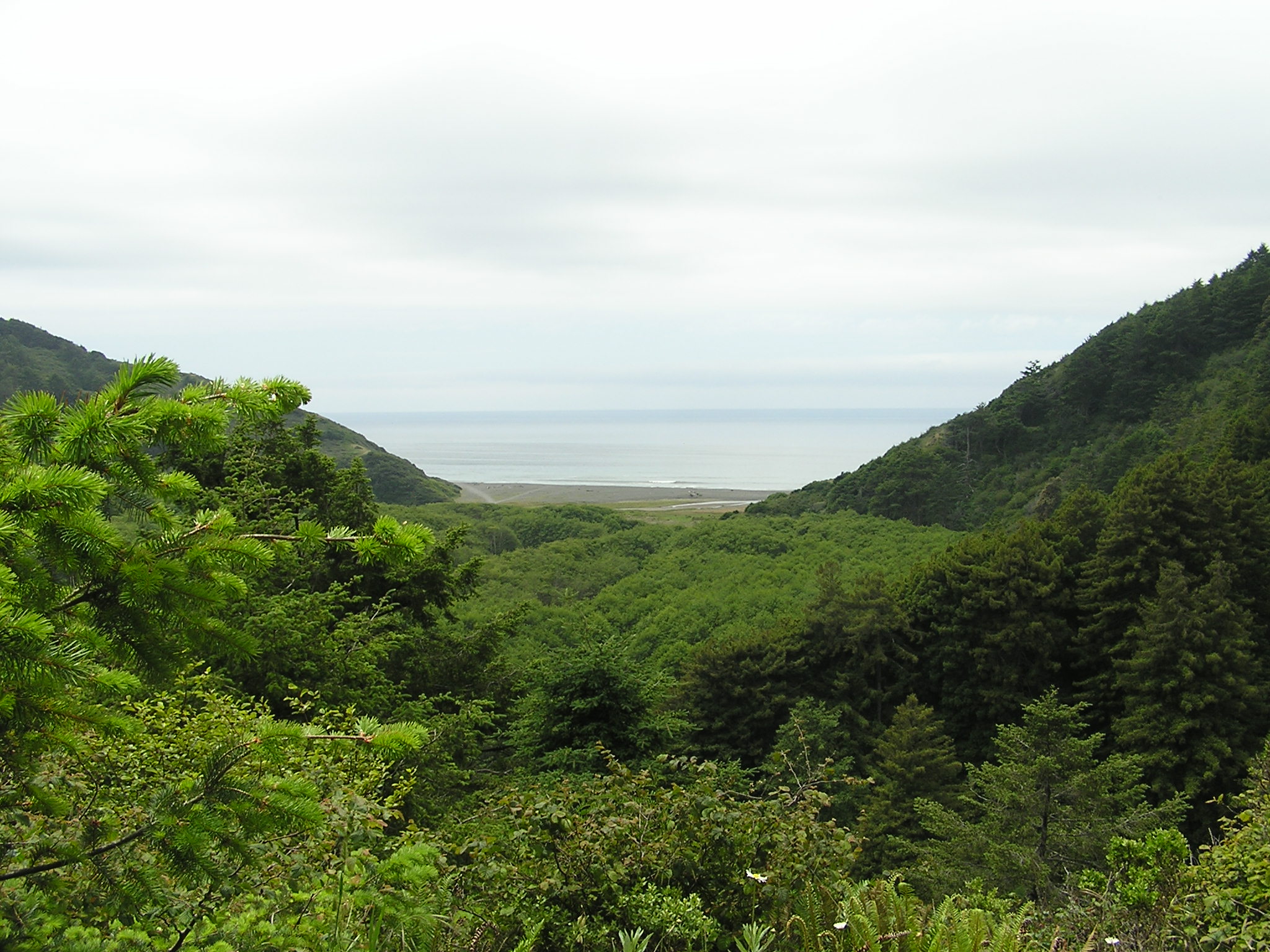
Thirty years after Pacific Forest Trust partnered with the InterTribal Sinkyone Wilderness Council (ITSWC) to establish a groundbreaking conservation easement protecting the 4,000 acre Sinkyone Intertribal Wilderness Park on California’s North Coast, PFT President and cofounder Laurie Wayburn and Stewardship Manager Shay Brown returned to celebrate its partnership with the InterTribal Sinkyone Wilderness Council. The 4,000-acre property protects a remarkably wild stretch of the Lost Coast, where redwood forests meet the Pacific Ocean within traditional Sinkyone territory. Today, the InterTribal Sinkyone Wilderness Council brings together 10 federally recognized Tribal Nations with deep cultural and ancestral connections to these lands and waters.
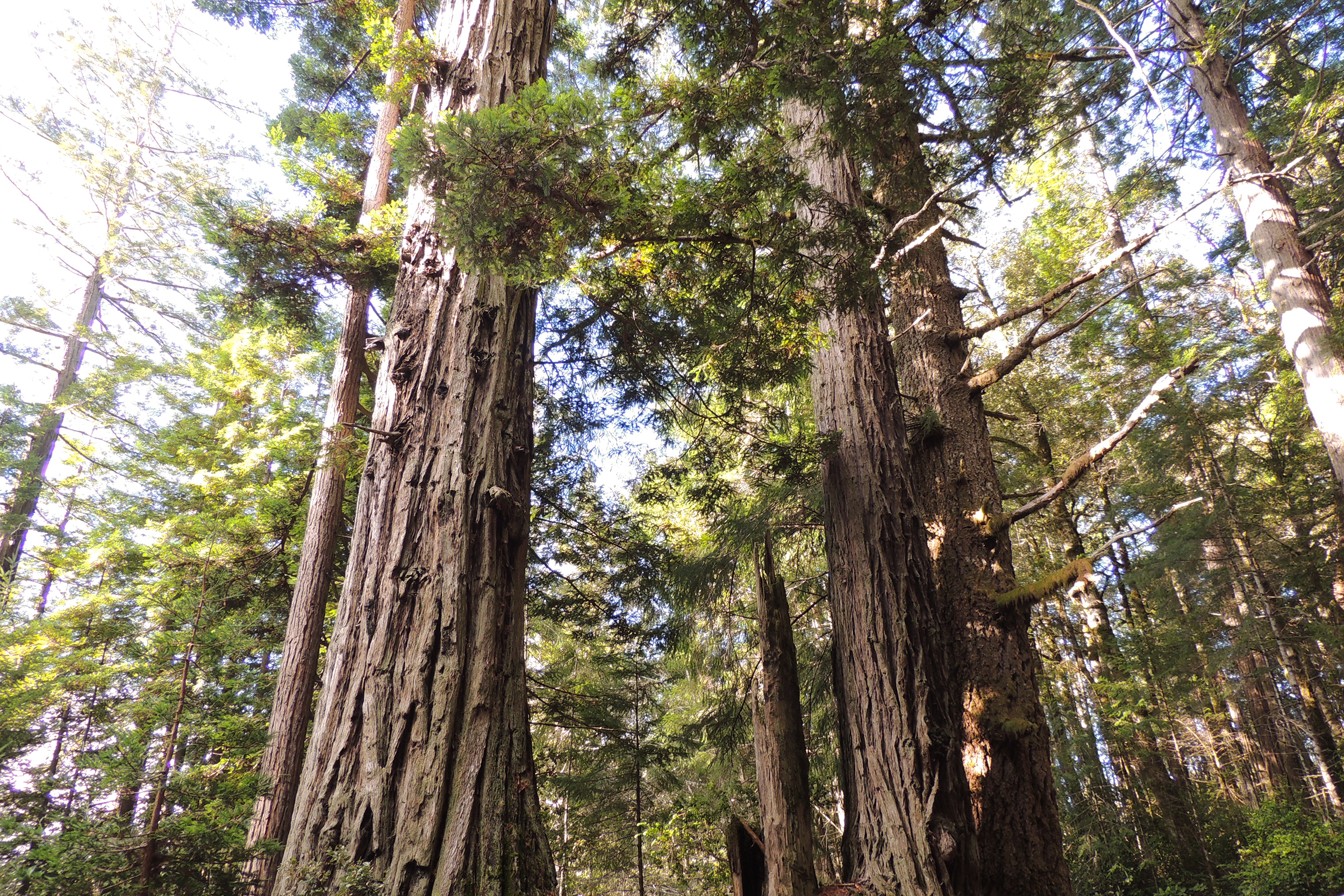 The effort really began with Pomo Tribal leader Priscilla Hunter a decade earlier, in 1986, as she advocated for the conservation of roughly 8,000 acres along the Mendocino Coast then owned by a major industrial timber company, by the state. In an unusual decision, this was done, but with the half closest to the ocean destined for the State Parks and then upland half to have a community or tribal ownership with a working forest component.
The political climate for around logging and conservation in Mendocino County—a hot-bed center of controversy surrounding the timber industry, logging jobs, fisheries impacts and other environmental concerns– and tribal land back projects overall, was very different in the early 1990’s. There were deeply competing interests and ideas about how the land should be protected and managed. The project on the upland forest stalled for almost a decade. PFT became involved in 1994 to helpf find a solutions for the upland forest’s future, with the Sinkyone conservation being one of our first two projects.
Finding common ground reconciling opposing interests for the project was not easy, but a strong partnership with between PFT, ITSWC, and the main funder, the California Coastal Conservancy, was forged around an agreement that conserved the forest, enabled restoration management and gave fee title of these 4,000 acres to the ITSWC. Through public hearings and comment, PFT was able to craft an agreement that met key goals for all parties concerned.
There was no roadmap for structuring this kind of conservation easement alongside Tribal interests and sovereignty, and PFT with its attorney Bill Hutton navigated new legal questions and difficult, sometimes contentious negotiations. Ultimately, what emerged was a groundbreaking, precedent-setting conservation and Tribal partnership that is still going strong today. One of the most important and impactful results of this project is that all original member tribes of the ITSWC achieved federal recognition after the project was completed: they all now had a homeland that solidified their claims for federal recognition.
Over the past 30 years, our understanding of conservation and ecological forestry has evolved. We increasingly understand that active stewardship can be essential to forest health and resilience, while Indigenous knowledge and cultural practices are increasingly recognized for their ecological benefits. Cultural gathering, forest management, fire, and other activities can be compatible with—and sometimes essential to—ecological goals.
The celebration of Sinkyone isn’t just about the anniversary of an easement. It recognizes the first state-funded arrangement supporting tribal ownership in partnership with conservation and the first-ever land-back transfer of this kind. Thirty years later, the forest remains protected, as it will be forever, while the relationships around it have endured and evolved through major changes in conservation, worldviews, and time.
If you’d like to help us continue supporting forest health, advancing climate solutions, protecting watersheds, and keeping rural communities and economies safe and vibrant, please click below to support PFT!
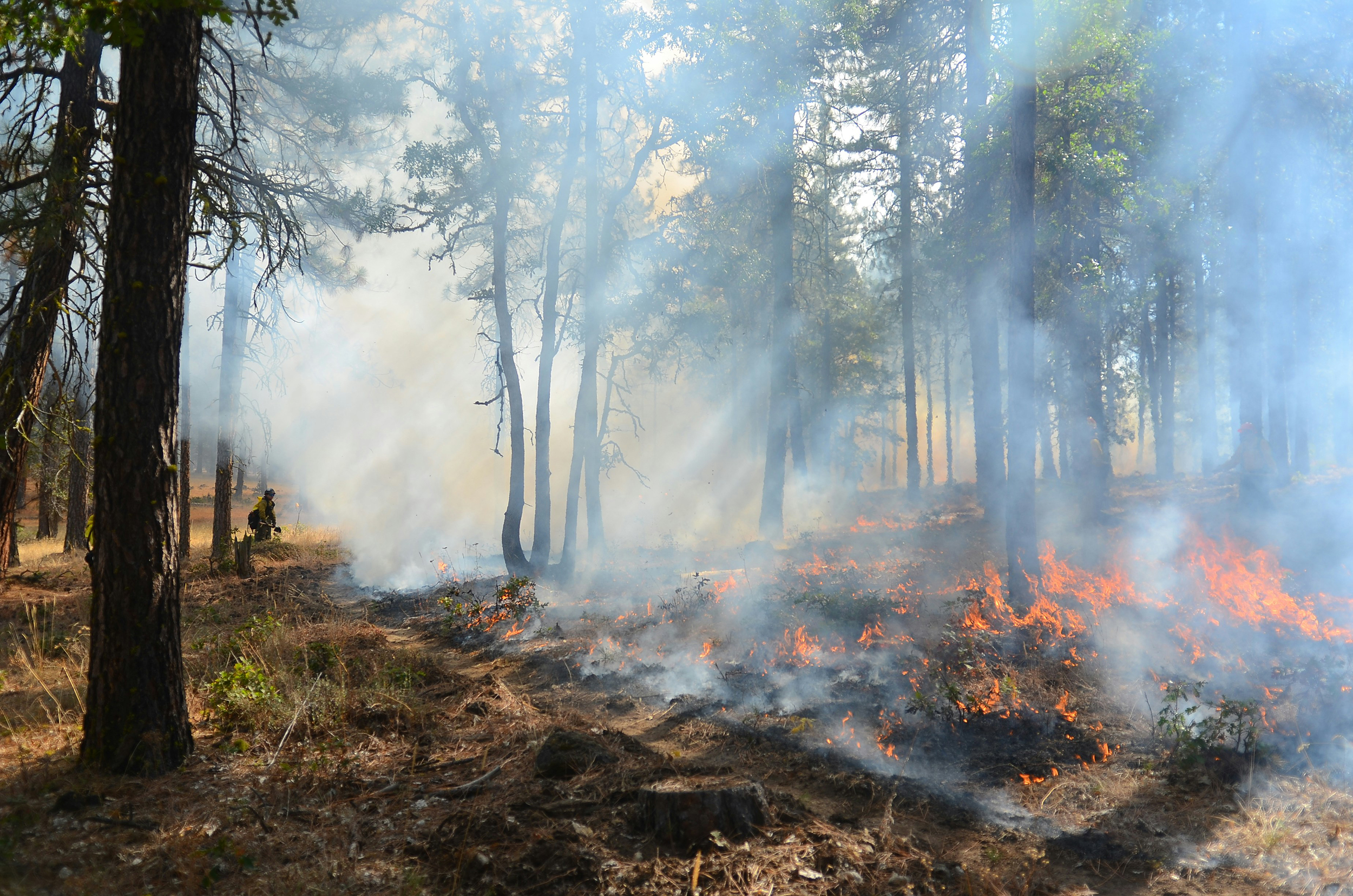
A critical piece of PFT’s work over the past decade has been, and remains, to help California scale up efforts to restore a more natural, safer, and less catastrophic fire regime. Core to that is reducing forest fuels loads, expanding prescribed fire and restoring forest resiliency to both wildfire and climate change. This has involved increasing the pace and scale of forest thinning, providing for a series of targeted exemptions to the process for getting logging permits and making it easier to get prescribed fire on the ground. The challenge now is to continue expediting good work while maintaining strong environmental protections.
Our sponsorship of the Good Fire Act (AB 1699), with Assemblymember Chris Rogers, is an example. This bill, passed out of both legislative chambers without opposition, aims to make it easier to use prescribed fire as a tool for restoring healthy landscapes and reducing wildfire risk. It removes barriers to getting more beneficial fire on the ground, including permitting and liability constraints, helping California expand the use of fire as a proactive forest management tool. A companion bill, AB 1891, by Assemblymember Connolly, would dedicate 10% of the state funding potentially available for beneficial fire to building workforce and capacity for more prescribed and cultural fire.
Another major focus has been Senator Henry Stern’s SB 1370, which proposes sweeping changes to how California authorizes vegetation management projects. The bill continues the approach of Governor Newsom’s Emergency Proclamation of March 2025 which waived state environmental laws and created centralized expedited permitting for vegetation management projects. This led to the approval of +/- 400 projects statewide, but it was an opaque process that had no long-term basis in law. SB1370 authorizes a similar process until the end of 2028 and focuses those expedited projects in priority areas like those under utility wildfire mitigation plans, along roads, near homes, and specific new fuel breaks. This effort is intended as a stop-gap while a long-term permitting structure is developed.
For a long-term solution SB 1370 directs the Board of Forestry to develop a new program complementary to the Forest Practice Rules which cover these activities for commercially managed forests. The new program, also to be a Certified Regulatory Program satisfying California Environmental Quality Act (CEQA) requirements, will be for vegetation management not currently covered by the Rules. It will provide a new process with a clear set of environmental protection standards.
With the future of funding for wildfire mitigation uncertain, these efforts to efficiently permit strategic projects while protecting our environment are important for community safety, forest health and other ecosystems we depend on.
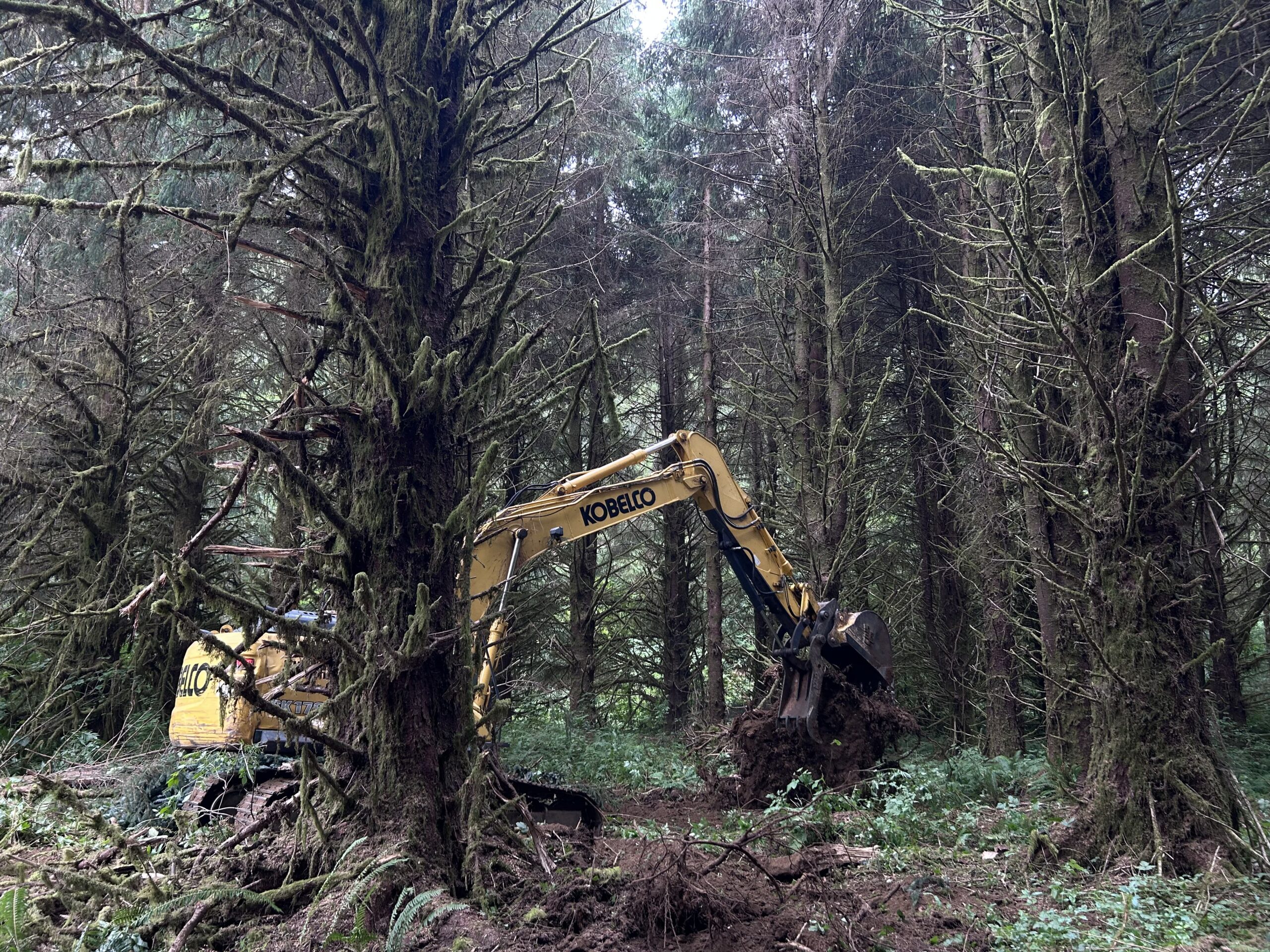
This summer at the van Eck Oregon property, work is underway to improve the ecological resilience of the Wright Creek and Poole Slough stream system and the ecological conditions of the surrounding Sitka spruce plantation. Specifically, 24 acres of overstocked, 45-year-old spruce plantation have been selectively thinned and hundereds of those trees are being used instream to restore complexity, meanders, and prevent bank erosion on 1.7 miles of stream and riparian habitat.
Tidal wetlands are particularly vulnerable to sea-level rise, especially where human alterations limit their ability to move or “migrate” inland as conditions change. At van Eck Oregon, conditions still exist to restore former slough and swamp habitats and give these wetlands greater room to adapt to rising sea levels. Wright Creek and Poole Slough offer important opportunities to build resilience to global sea level rise from climate change.
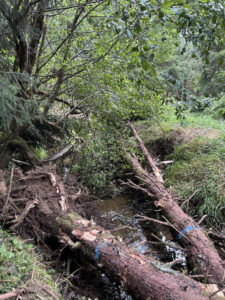 Placing large woody debris from the thinning in and around the stream will help restore complexity to the stream system and increase its tidal resilience. The added woody material improves habitat for a variety of species such as salmon, lamprey, and sturgeon, while stabilizing soils during large tide and storm events. Native plants such as willow, crabapple, salal, red alder, and native grasses are also being planted to help improve the transition zone between forest, scrub-shrub, and marsh habitats. Together, the added wood, native plantings, and openings created in the conifer plantation will increase habitat diversity and help restore more natural boundaries between these habitats.
This allows for greater ecological flexibility for multiple native and vulnerable species amid a changing climate.
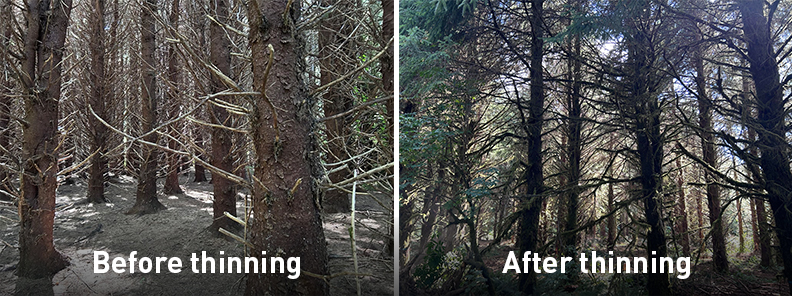
The thinning itself also provides important ecological benefits. The current forest was notably overstocked, and the term “biological desert” could be applied to the old plantation! By selectively thinning the stand, the remaining trees will have more room to grow and develop more complex forest structure, allow light in to foster a new generation of flowering plants in the understory. This notably improves habitat for insects, amphibians, bird and mammal species. Additionally, this year’s project included removal of reed canary grass, an invasive grass that degrades native habitats.
This project adds to PFT’s restoration work in Poole Slough and Wright Creek that has been underway since 2013. That work has included multiple locations and approaches, including planting native species, removing invasive species, and placing large woody debris. We are deeply grateful for our collaboration with the MidCoast Watershed Council and Oregon Department of Fish and Wildlife. Funding for the project is provided by the Oregon Watershed Enhancement Board and Siuslaw National Forest.
ICYMI
In case you missed it (ICYMI), here are some other exciting things PFT has been involved in lately!
- Accreditation: PFT is renewing its accreditation with the Land Trust Accreditation Commission. If you’d like to learn more or provide comments on our application, you can find out more here.
- Wildfire Resilience: PFT, California Forward, and Resources Legacy Fund gathered input from stakeholders across California to develop a Strategic Action Plan for wildfire resilience and preparedness for the state’s next administration. Read the Strategic Action Plan Here.
- 2025 Annual Report: See how PFT advanced conservation, climate action, biodiversity protection, and the use of good fire in 2025. Read the Report Here.
- We’re hiring! If you love forests and have experience in leadership, communications, or fundraising check out our current job openings.