
Forest Flash: October 2026
In Pacific Forest Trust’s e-newsletter, Forest Flash, we send you the most recent PFT news and updates on forests, clean water, climate, and wildlife. Subscribe here.
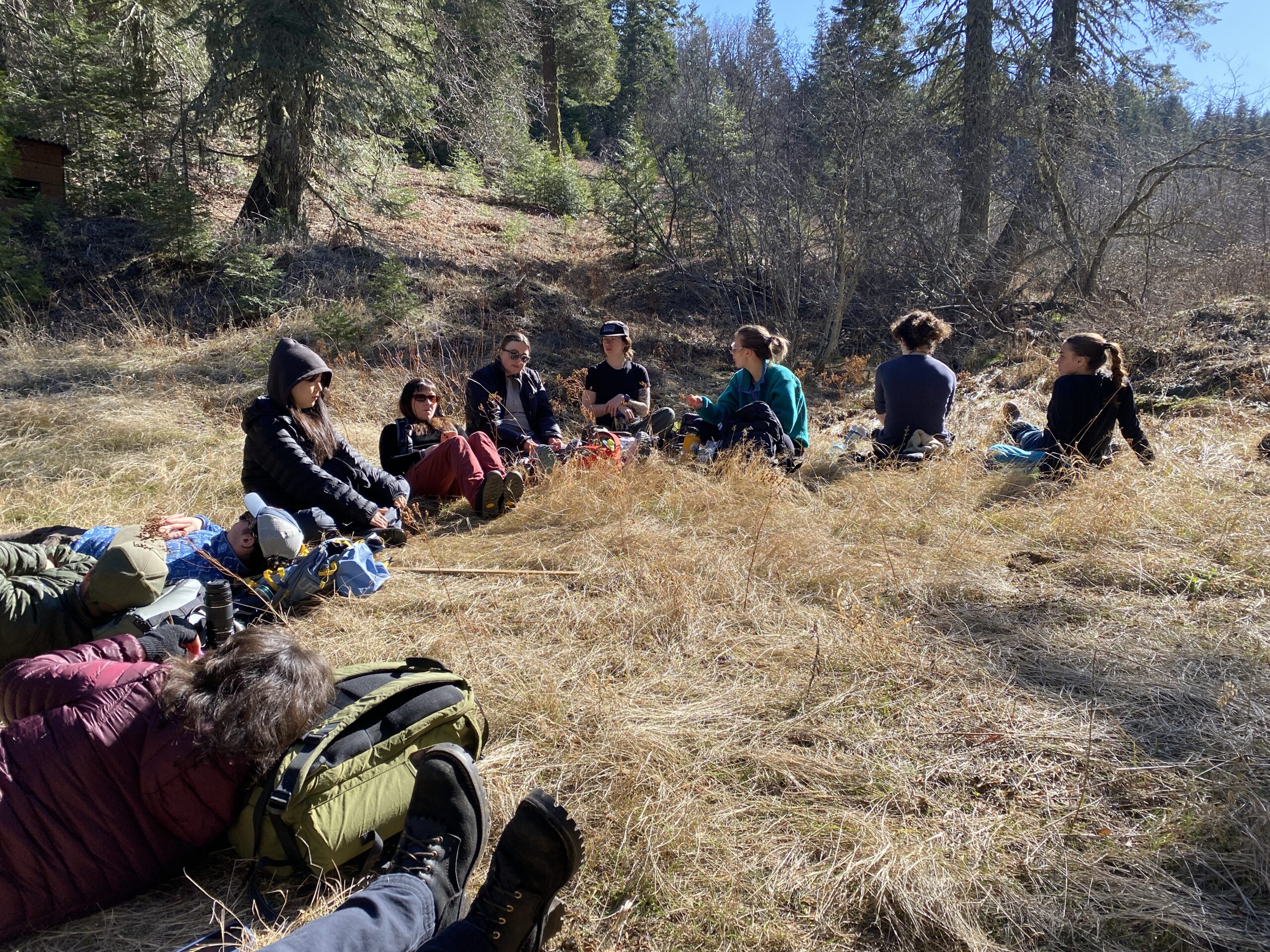
Above the town of Ashland along the Siskiyou crest in Oregon, Pacific Forest Trust is introducing young people to how to manage forests to restore their fire and climate resiliency. Spanning over 1,100 acres of working forest in southern Oregon, The Mount Ashland Demonstration Forest (MADF) serves as a living classroom for hundreds of high school students to learn what it takes to care for a forest ecosystem.
The program is part of PFT’s effort to educate the next generation of natural resource leaders. It shows students from local high schools, including Phoenix, Crater, and Logos Charter,
that careers in conservation forestry are not just possible, but a viable path within their own communities.
“We’re doing something different than typical environmental education. We are introducing students to the varied approaches and careers that ecological forest management include—from reintroducing fire to understanding stream restoration and ecology to managing wet meadows in a rapidly changing climate,” says PFT’s Lyndia Hammer. Climate change is a reality, and new methods of stewardship are required to work with the land. The next generation has an important role to play in its forests and its communities, and the MADF gives students a place to start.
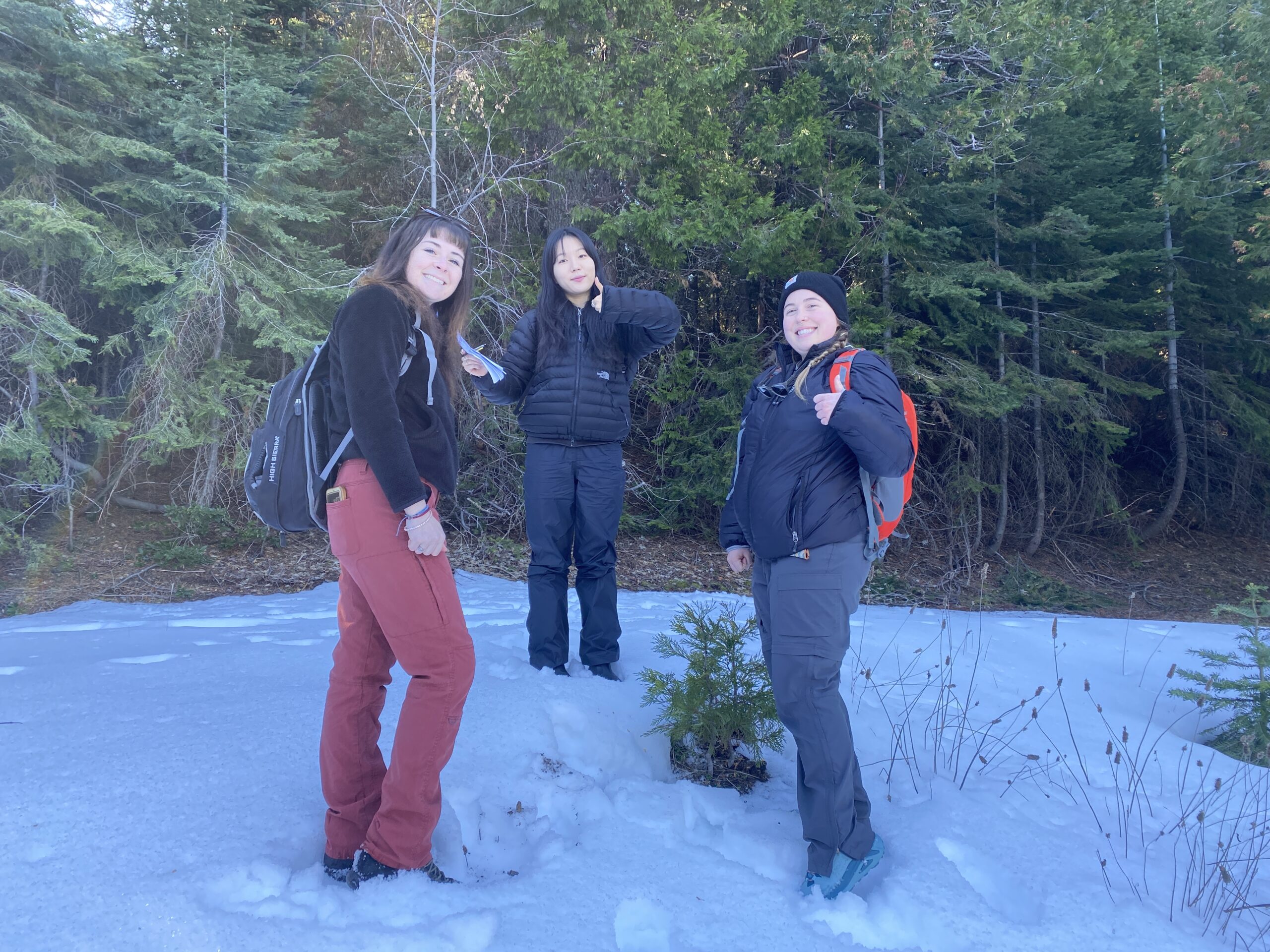 Out in the forest, students learn to identify key species in one of the most biodiverse landscapes in the world. They learn why it’s important to cut some trees and maintain others, and what it means to manage a forest for both people and nature.
MADF also shows them a new perspective on fire, and its function on the land. Like so many forests in the west, these are fire-adapted forests, and well-managed, low-intensity fire is a necessary part of their lifecycle that reduces the risk to the people and communities who live near them. This point of view holds weight in communities that have been impacted by catastrophic wildfires in the past. As one Phoenix High School student put it after a field day, “I learned that fire can be a good thing.”
For the PFT staff who lead these programs, the students are a highlight.
“It’s definitely the most rewarding part of my job as someone who’s worked in forest conservation and ecology as long as I have,” says Lyndia. “It’s the most fun thing I do.”
She also sees what young people bring to the conversation. “These management conversations can often go round and round with the same people having the same opinions, but young people can see things with an energy and fresh perspective.”
The students who visit the MADF are the future of these forests, and may one day make decisions about how they are managed. By giving them hands-on experience now, PFT hopes to show them that stewardship can be a career, a calling, and a way to stay rooted in the places they call home.
We’re grateful to the teachers, schools, and partners who make these field days possible, and to the students whose curiosity makes them so rewarding. We look forward to welcoming many more student groups in the years to come.
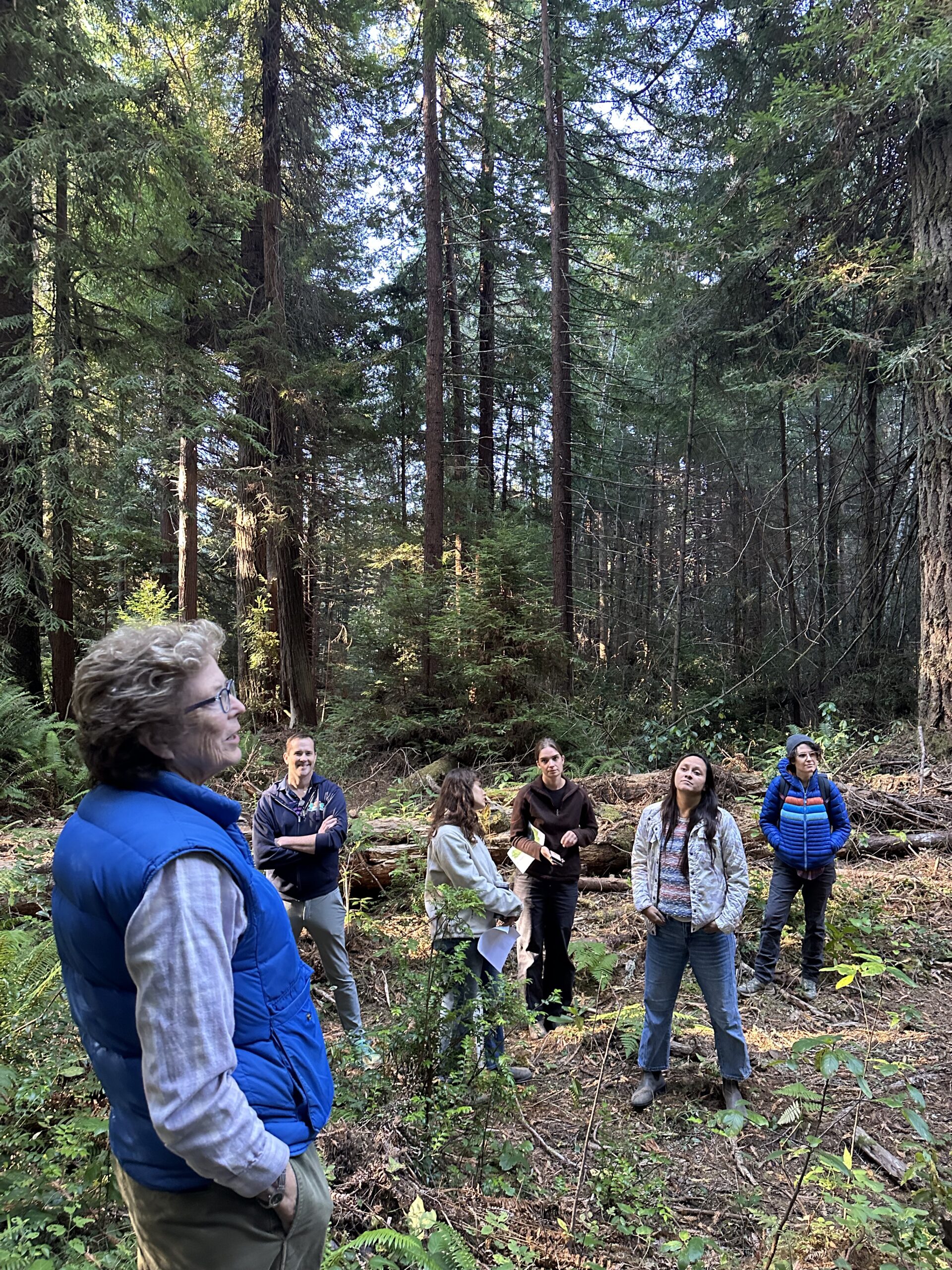
This October, the Pacific Forest Trust team gathered in Scotia, California, for our annual staff planning retreat. Over three days, staff from Oregon and California came together to share our work in stewardship, conservation, state policy, and more, as we worked to chart a course for 2027.
The annual PFT retreat was an opportunity for our staff across all offices and teams to spend time together and experience our collective work in real life. Staff toured the van Eck California Forest, 2,300 acres of working redwood forest in Humboldt County that PFT has conserved and managed since 2002. The van Eck is also where PFT’s conservation principles can be seen firsthand and many of our new policy incentives, from working forest conservation easements to carbon offsets to streamlining the ESA to restoring canopy layers have been tested and proven.
On the tour, the team saw the beneficial impact of our recent reintroduction of fire and our decades of ecological forest management. These practices maintain the native forest understory, species composition and size classes, and the health of the wider ecosystem, using harvest as a key tool in restoration and providing economic returns. For many team members who spend much of the year working offices, standing amongst the towering trees of the van Eck was a powerful reminder of what all their hard work is in service to.
After all, it’s one thing to talk about a forest—it’s an entirely different thing to walk through it.
Our thanks to the supporters whose generosity makes this work possible year-round!
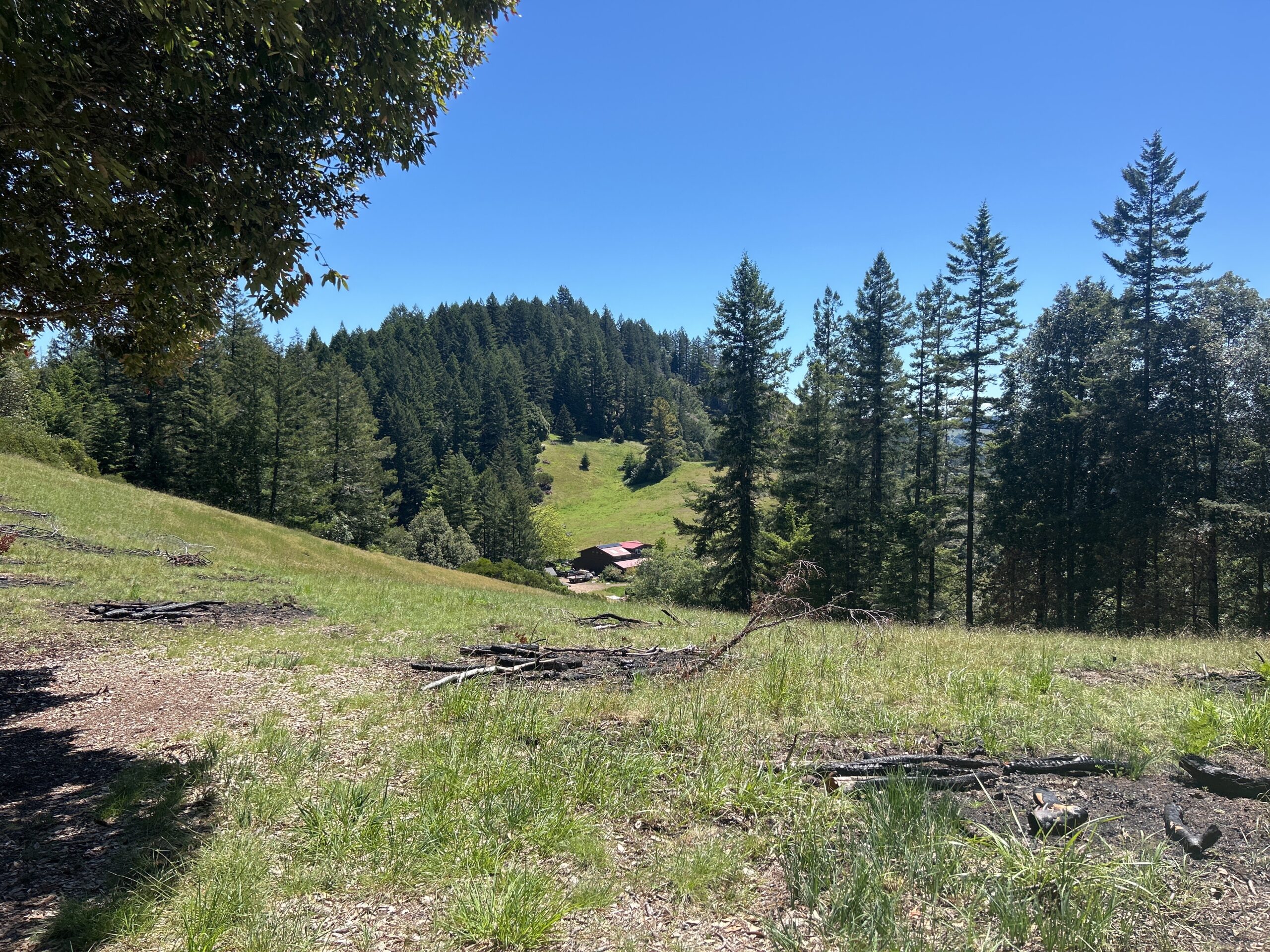
This season, PFT’s Stewardship team wrapped up its annual monitoring and stewardship visits of more than 130,000 acres across 38 conservation easements. Our monitoring ensures that the terms of the Conservation Easements are being met and that we have progress towards the Performance Goals of each easement. This includes assessing forest management, habitat restoration and conservation projects, and the overall condition of the working forests and other lands we conserve.
Supporting our landowners and stewarding our conservation easements is a core –and permanent– commitment to upholding the trust both landowners and the public have in us to ensure the long-term protection of these lands. These monitoring visits also happen to be some of the most rewarding parts of the job.
“I’m a huge fan of active management and habitat restoration,” says Stewardship Associate Brenna O’Brien. “Being able to see this work in person on our conservation easements serves as a great reminder of why stewardship is so important, and how landowners can make a real, lasting impact on their land.”
O’Brien’s property and landowner visits have allowed her to witness the impact of PFT’s conservation efforts across numerous landscapes.
At the Leonard Lake Reserve, a 4,000 acre conservation easement in Mendocino County, California, she documented recently completed burning to restore oak woodland habitat. “Seeing the work in person was incredible,” she says, noting there were already signs of native bunch grasses returning where burning occurred.
On another monitoring visit, on the Comptche Hill property we conserved with Mendocino Redwood Company, her assessment took her to a stretch of the Albion River, where a stream restoration project began earlier this summer to improve habitat for coho salmon. By documenting the site’s conditions before restoration started, O’Brien provided PFT with a vital baseline to measure progress against in the years ahead.
From closed canopy Oracle Oak forests in the Ukiah Valley of California to mixed conifer forests on Mount Shasta and in the Sierra to Douglas Fir-Hemlock forests in coastal Oregon, our work is as varied as the forests themselves. The common thread is our permanent promise to meet our landowners goals and ensuring these forests thrive forever.
Thank you to our whole Stewardship team for their dedication, their curiosity, and the many miles they cover each year in the field, and to the landowners and partners who make this work possible.
If you’d like to help us continue supporting our work, please click below to support PFT!
ICYMI
In case you missed it (ICYMI), here are some other exciting things PFT has been involved in lately!
-
Last week’s National Estate Planning Awareness Week (October 29-15), was adopted in 2008 by the House of Representatives to help the public understand what estate planning is and why it is such a vital component of financial wellness. We invite you to consider how including Pacific Forest Trust in your will or estate plans can help ensure America’s working forests continue to provide wood, water, wildlife habitat, and climate benefits for generations, while supporting your own financial wellness and legacy. Learn more here.
- We’re hiring! If you love forests and have experience in fundraising or conservation project management, check out our current job openings.