
Forest Flash: November 2026
In Pacific Forest Trust’s e-newsletter, Forest Flash, we send you the most recent PFT news and updates on forests, clean water, climate, and wildlife. Subscribe here.
Fuels Reductions for the Benefit of Communities, Forests & Wildlife
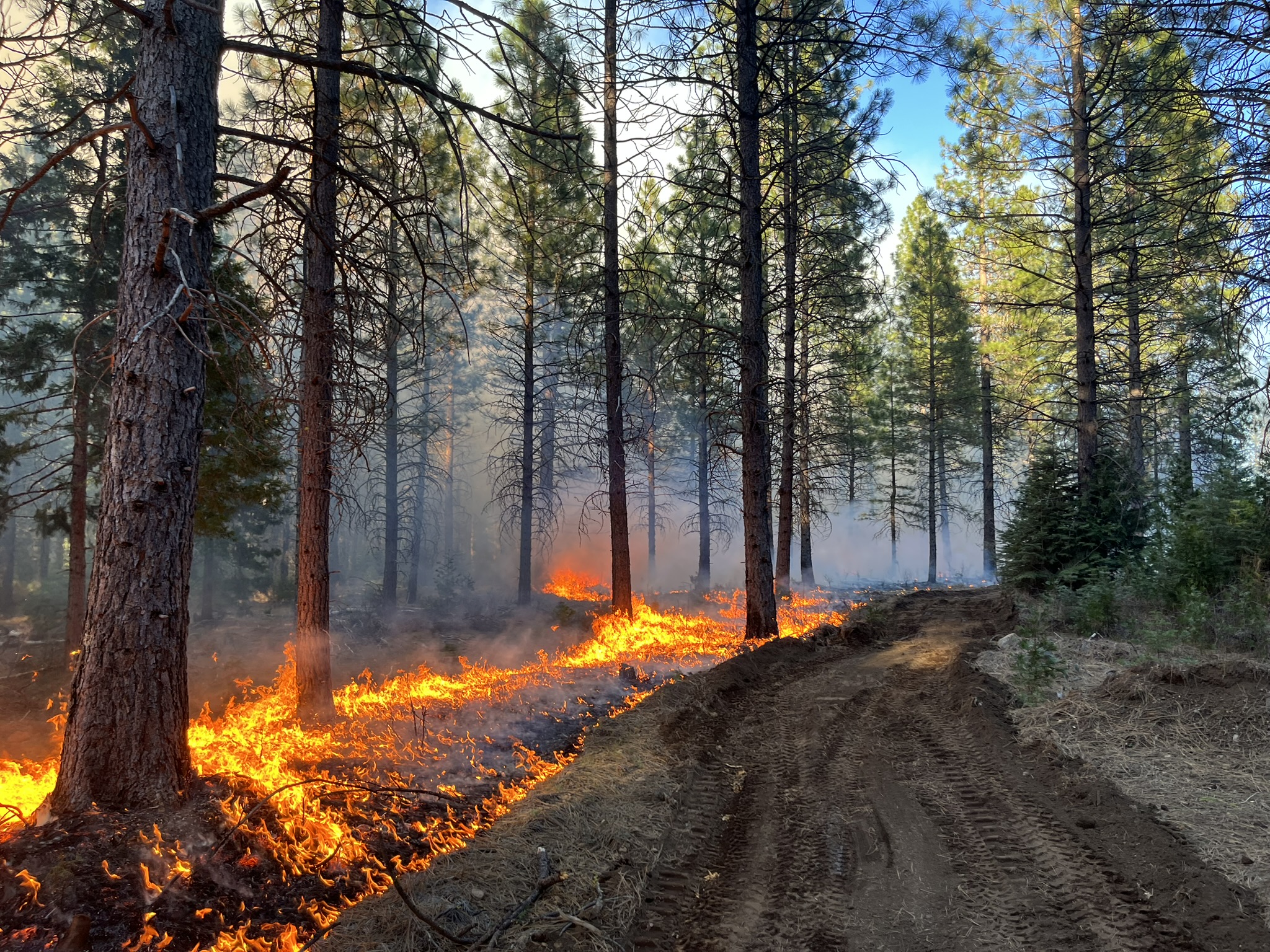
Pacific Forest Trust, with support from the Gordon and Betty Moore Foundation, is preparing a new publication on a question every Western landowner now faces: how can we reduce wildfire risk without harming the habitats and species we are trying to protect? Practical Guidance for Reducing Fuels and Promoting Resilient Ecosystems in Siskiyou County, California will give landowners and land managers a practical, habitat-by-habitat guide to doing both at once.
Siskiyou County spans more than four million acres at the heart of the California Floristic Province, a global biodiversity hotspot. The county is home to the most biodiverse conifer forest in the world and hosts nearly 4,500 of California’s 6,542 plant species. There are also over 200 endemic species, found nowhere else on Earth. This biodiversity has been significantly shaped by a frequent, low-intensity fire regime over tens of thousands of years.
The majority of these fires were set by indigenous communities, with lightning strikes also being a common source of ignition. As a result, the forests that Europeans first encountered were fire-adapted and resilient. They were open, with large trees spaced well apart and relatively little undergrowth, interspersed with large meadow systems, both wet and dry. A century of fire suppression, intended to protect communities and commercial timber, allowed fuels to build up. This style of forest management also changed the forests significantly. They are now dominated by younger, more crowded stands with smaller trees, and in many cases, significant understory vegetation. The result is more high-intensity fire that endangers both people and habitat.
As efforts to reduce fuel loads spread, mitigation practices like thinning and fuel breaks have ramped up, even as research shows these can be harmful for the region’s biodiversity while not necessarily reducing fire spread. Large, continuous fuel breaks fragment sensitive landscapes. Thinning can take out tree species most needed for wildlife. Aggressive post-fire salvage removes shelter just when wildlife needs it most. Even timing matters, since spring burning can harm nesting birds.
 Our upcoming report offers fire mitigation strategies tailored to each of the county’s eight distinct ecosystems. Strategies include thinning crowded stands by 30 to 40 percent while maintaining the largest trees, removing young firs that crowd out fire-resistant oaks, restoring meadows that slow fire’s spread, and replanting with diverse native species in variable patterns rather than dense, single-species plantations.
The report also provides separate recommendations for the wildland-urban interface (WUI). With roughly 44,000 residents mostly clustered along Interstate 5, Siskiyou County can focus its efforts in the WUI and along roadways, where most modern fires ignite and spread from. In larger, uninhabited landscapes, it encourages managing fire through Strategic Fire Zones so that low- and moderate-intensity burns can again do their natural work.
Importantly, the guidance also recognizes that not every habitat tolerates frequent fire. Alpine and high-elevation forests, as well as chaparral, recover slowly, so strategies such as thinning or fuel breaks in those habitats generally do more harm than good. Preventing ignitions should remain the priority in those locations.
By lowering fuel loads in the most strategic and important areas for community safety and restoring the benefits of low-intensity fire, we lower the risk of severe wildfire. The approaches outlined in the manual will help maintain habitat for threatened species such as northern spotted owls, fishers, and more—all while keeping human communities safer.
Adanac Ranch: A Vital Connector for People & Animals
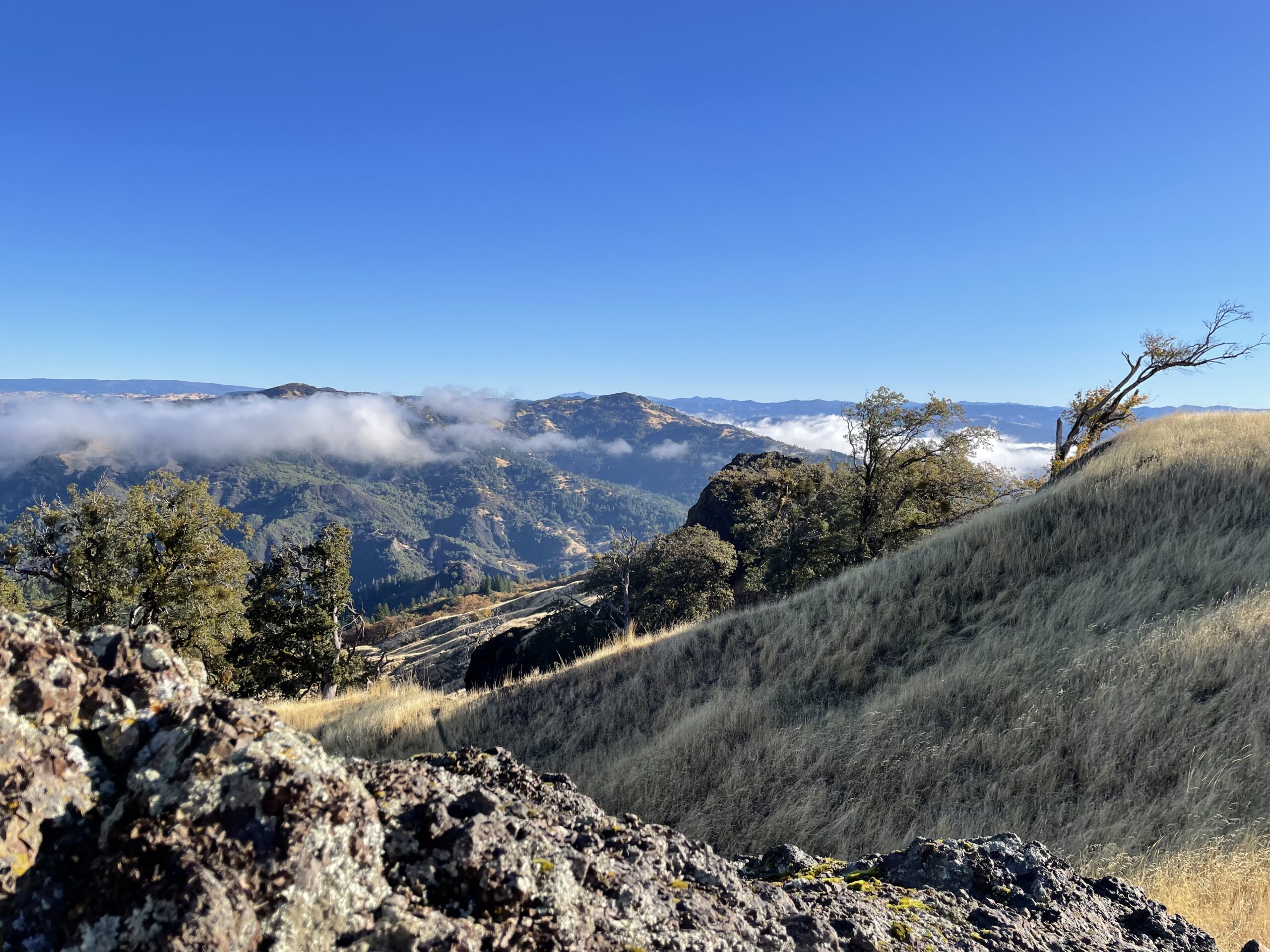
Along the wild and scenic Eel River in northern Mendocino County, 13,045-acre Adanac Ranch is poised to become one of the most important links in California’s North Coast conservation landscape. PFT is excited to continue its work with the Bewley family to establish a permanent conservation easement on Adanac Ranch.
Adanac Ranch is the “missing link” in a vital wildlife corridor stretching from the Sinkyone Wilderness on the coast to Island Mountain in the interior. Development has fragmented much of the surrounding landscape, especially from intense illegal marijuana cultivation. However, the Bewleys bucked that trend, and, after an initial purchase of several thousand acres in 1988, Stu Bewley carefully assembled over 104 parcels to create this large, contiguous holding managed for timber, grazing, and wildlife habitat.
Encompassing a full watershed, Adanac’s rolling grasslands, Douglas-fir and oak forests, and streams support more than 230 animal species, including Roosevelt and Tule elk, black-tailed deer, golden eagles, American badgers, and threatened species like the foothill yellow-legged frog. Old-growth Douglas-fir groves and multiple designated Terrestrial Significant Habitats make the property a true biodiversity stronghold. It also lies within designated Critical Habitat for the northern spotted owl which lives on neighboring federal land. Connecting protected lands on either side, the ranch gives animals room to move, find mates and food, and adapt to a changing climate.
Adanac also contains at least 60 miles of perennial and seasonal streams, including Blue Rock and Bell Springs Creeks, which flow into nearly 2 miles of the Eel River, a fertile breeding ground for threatened coho salmon. That same water recharges groundwater that benefits not just the local habitat, but homes and farms across four counties.
But it’s not just animals who will benefit. Adanac also offers the opportunity for people to connect with this landscape. A critical portion of the Great Redwood Trail, a rails-to-trails project that will eventually link San Francisco Bay to Humboldt Bay, crosses through the ranch. The Bewleys are committed to providing deeded public access along the stretch of trail that crosses their land, opening new opportunities for hiking, biking, camping, nature observation, and cultural engagement.
With 104 legal parcels, the ranch could be subdivided and sold off, a fate all too common on the North Coast. A permanent conservation easement would unify the property and secure this permanent, large-scale corridor—and PFT is working hard to establish it.
Once complete, the easement will balance productive land use with restoring forest health, protecting mature trees, increasing native grasses, and enhancing habitat and recreation. Adanac will remain a working landscape that is also a wildlife refuge, a source of clean water, and a destination for future generations.
Stay tuned for our upcoming announcements about our work on Adanac Ranch!
PFT Gives Thanks
Every acre Pacific Forest Trust conserves begins with people who care. To our donors, whose generosity makes our work possible, and to the landowners who entrust us with the forests, grasslands, and watersheds they have stewarded for generations: thank you. Together, we hold conservation easements on more than 130,000 acres in California and Oregon, keeping working forests intact for the benefit of everyone. By choosing lasting protection over development, our landowner partners are making an impact that will remain in perpetuity.
“We are so honored to be trusted by landowners and donors alike to help create a better forest future for all,” says PFT President Laurie Wayburn.
Your support helps restore forest health and fire resilience, enhance water security, and protect habitat that threatened wildlife depend on. These healthy forests give salmon clean spawning streams to return home to, elk room to roam, and owls old trees to nest in.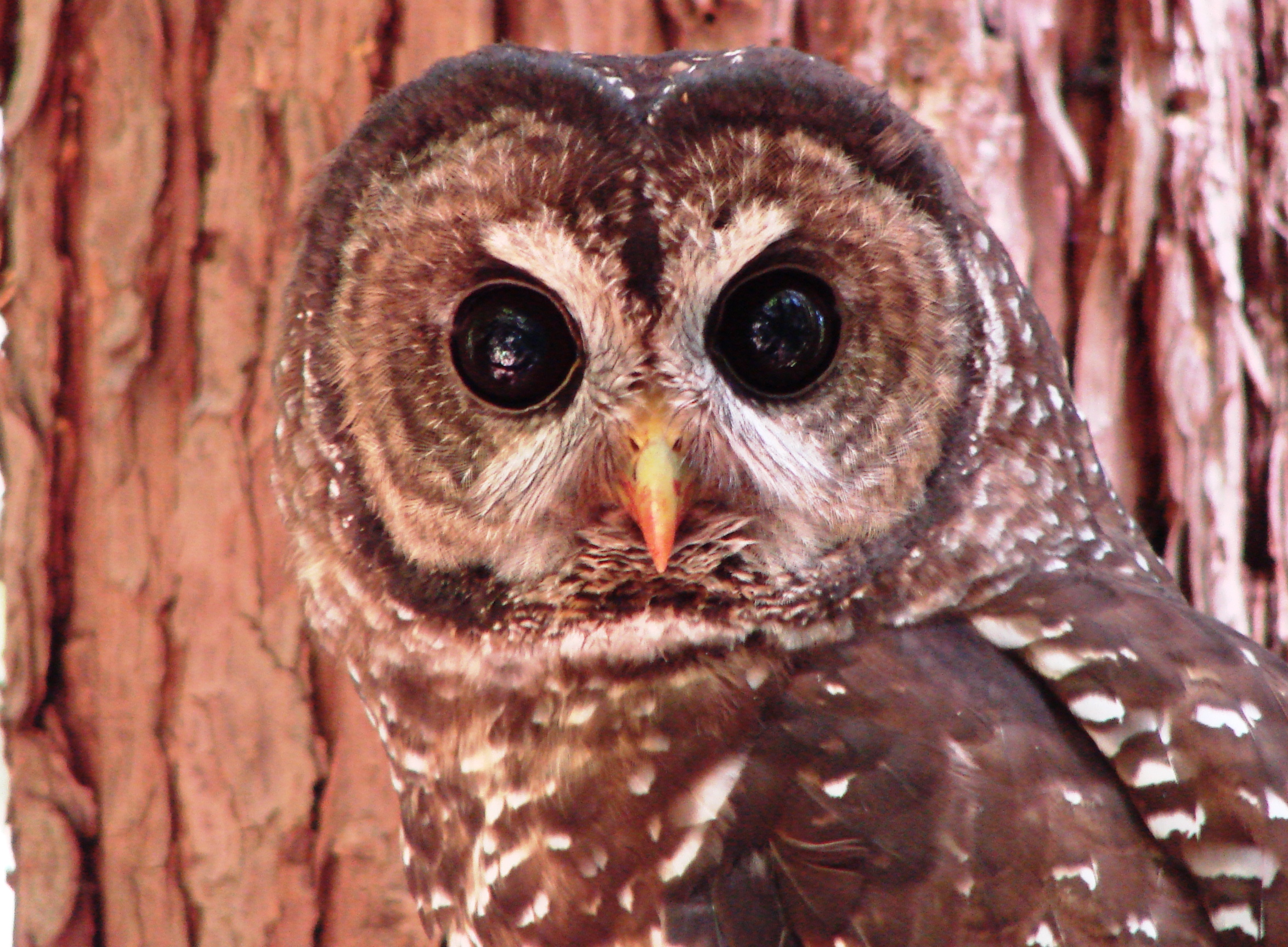
“Hoot,” replied one such owl, when pressed for comment. We can only assume they meant to say, “Thank you.”
Now, your generosity can go twice as far. An anonymous donor has offered a $150,000 challenge match through the end of the year. Every gift made to PFT by December 31st, up to our $150,000 goal, will be matched, doubling your impact on the forests, waters, and wildlife we all care about. Whether your gift is $50 or $5,000, it will be matched. We’re proud to announce we are over 1/3 of the way towards our goal, and your donation can make all the difference.
Please consider giving today, and thank you for helping us sustain these forests for generations to come.

ICYMI
In case you missed it (ICYMI), here are some other exciting things PFT has been involved in lately!
-
PFT President Laurie Wayburn was recently featured in the Op-Ed section of the LA Daily News and its 10 sister publications, advocating for increased use of prescribed burns for forest health and community safety. Read the article here.